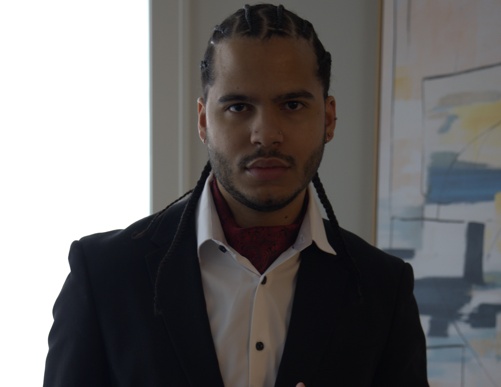
International Senior Executive Vice President
Joshua H. Jimenez
"The vote was never meant to be the finish line. Democracy is not just something you participate in every few years. It is something that you practice."
 GenZ Realness
GenZ Realness National Conversation Series
April 22, 2026
How Phi Psi Lambda's GenZ Realness turned student government, campus organizing, and civic courage into a national conversation on student power.
"The vote was never meant to be the finish line."
Joshua H. Jimenez
"Meaningful change does not happen by accident. It happens because people choose to build it."
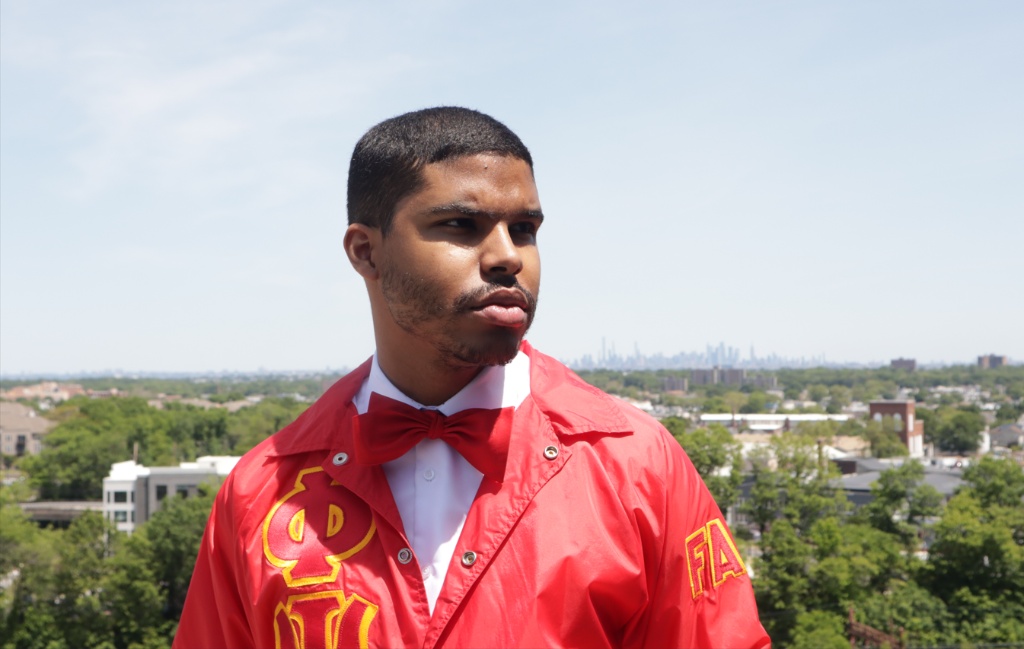
Matthew H. Jimenez
Chapter One · The Thesis
The conversation began where every serious conversation about democracy in America must begin — with memory. Democracy, the hosts insisted, is not something you participate in every few years. It is something you practice.
Under the banner GenZ Realness: Voice, Vision, and Student Power, Phi Psi Lambda Leadership Society, Inc. created a national platform where students did not speak as symbols of future leadership. They spoke as leaders already at work — organizing, questioning, advocating, building, and refusing to confuse visibility with power.
— A documentary opening, not an event recap.
The Hosts · Phi Psi Lambda Leadership Society, Inc.
International Senior Executive Vice President
"The vote was never meant to be the finish line. Democracy is not just something you participate in every few years. It is something that you practice."
Digital Advocacy & Social Change
"Meaningful change does not happen by accident. It happens because people choose to build it."
The Panel · Connected Voices
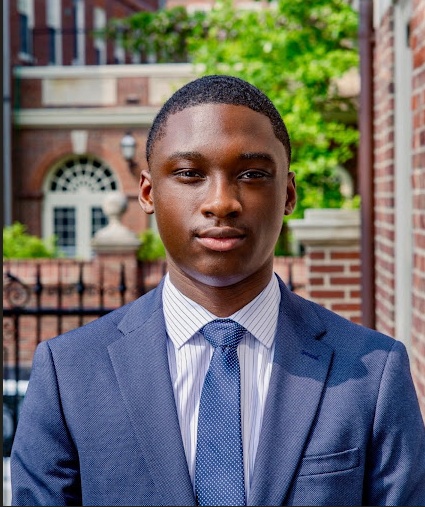
We all have the same proximity to power.
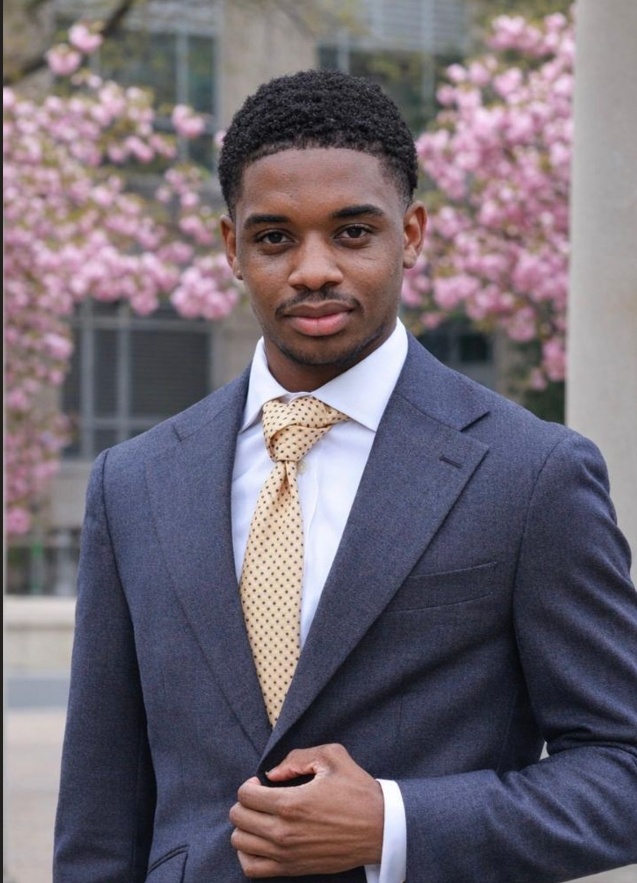
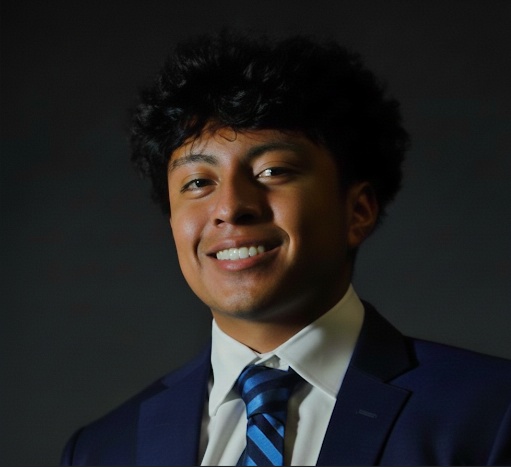
Listen double the amount of time you speak.
The title is not the work.
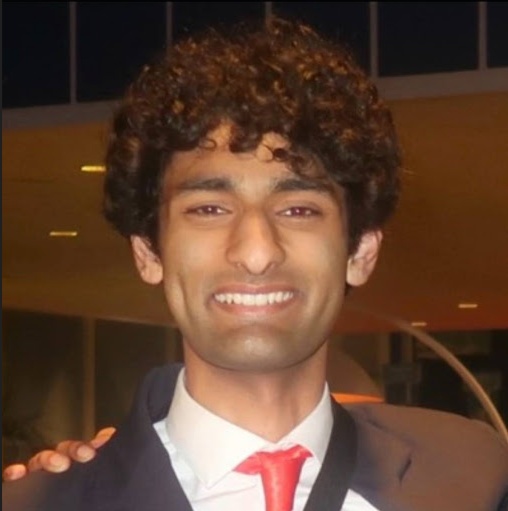
We are the national thing. We're right here.
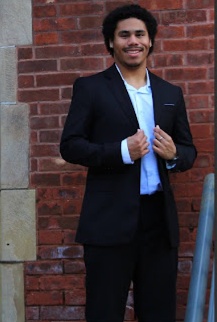
It's not about I. It's about we.
01
Christopher Lambry
"We all have the same proximity to power, because we all have the ability to advocate for one another." Christopher Lambry
Christopher framed education, advocacy, and public service as ways to bring communities closer to power. Rooted in HBCU leadership and the legacy of Morehouse College, his message carried the weight of family, history, and collective responsibility — the belief that proximity to power is not inherited by a few, but built by the many.
Education as bridge. Advocacy as inheritance.
02
Alfred Lewis Jr.
"Listen double the amount of time as you speak, so that when it's time for you to actually speak, all you're doing is amplifying what you just listened for others." Alfred Lewis Jr.
"We have that proximity to power once we realize that the power comes from the students."
Alfred presented listening as an essential leadership practice. Advocacy, he argued, begins with hearing what people are actually experiencing — and then amplifying their truth so it can no longer be ignored.
03
Benjamin Hartman
"Being a student leader is never about the title. It's never about being able to hold power over someone else." Benjamin Hartman
"With just words, and there's no action, it doesn't matter."
Benjamin's leadership lives beyond the title — in immigrant justice, in advocacy built as structure rather than spectacle, and in the obligation to turn empathy into action. A title, he reminded the room, is a responsibility you carry, not a privilege you hold over others.
04
Karan Raina
"We are the national thing. We're right here." Karan Raina
"When you want to see change, you should be able to advocate for that change. And if something or someone is stopping you from doing that, that's a problem."
Karan positioned campus life as a direct site of civic rights and civil liberties. Tuition, protest, safety, speech, belonging — none of it is a rehearsal for public life. It is public life. Student life is not separate from national life; it is where national life is decided first.
05
Ayden Reed
"It's not about I, it's about we." Ayden Reed
"Don't be the person that watches. Be the person that DOES."
"You're not an applicant, you're an advocate."
Ayden's message was practical and energizing: find your voice, act without waiting for a title, learn the systems you want to change, and move from observation to advocacy.
The Blueprint · Closing Lessons
When the webinar ended, the assignment remained. These are the five commitments GenZ Realness left in the room — a curriculum for leadership that outlasts a single conversation.
Assume the best of the people you serve. Hear what they are actually experiencing before you decide what they need.
Power lives in relationships. Keep the network alive long after the applause fades.
Master the systems you intend to change. Curiosity is the engine of credible leadership.
Words without action do not matter. Advocacy is the practice of turning belief into structure.
Never confuse a title for a destination. The work is never finished, and neither is the learning.
The Closing Statement
"The future did not speak softly in this webinar. It asked to be heard, trusted, resourced, and taken seriously."
Through voice, vision, and student power, they are already moving the room.